
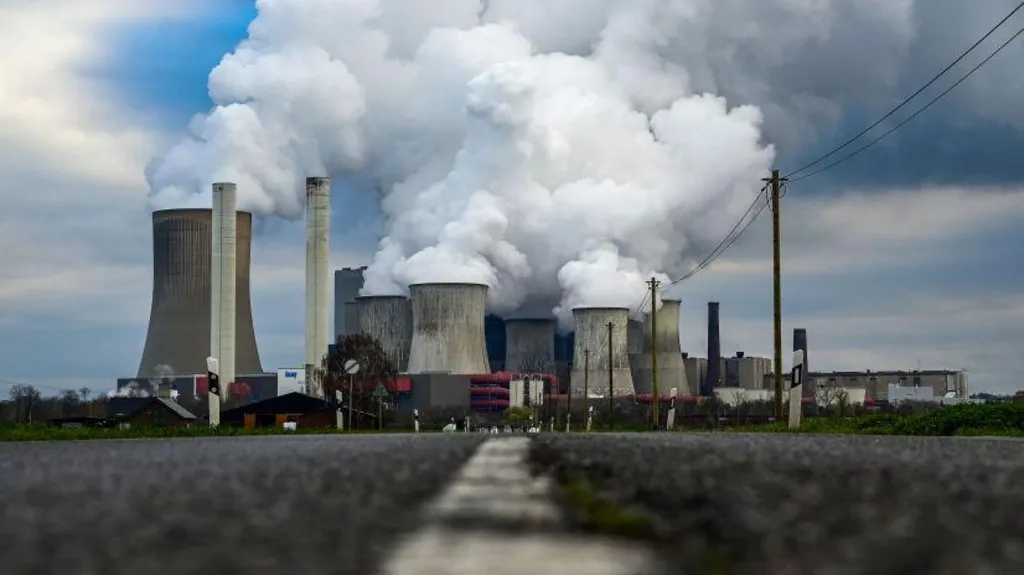
BERLIN — Germany is facing a high-stakes race against time to completely transform its industrial backbone. As Europe’s largest consumer of coal for power generation and the fourth largest globally behind China, India, and the United States—the country is pushing forward with an ambitious legislative mandate to fully decouple its power grid from coal by 2038 at the latest.
For lignite the highly polluting, soft brown coal heavily mined in the country’s western and eastern basins the government has aggressively accelerated the shutdown deadline to 2030. However, this green transition is running headfirst into a volatile global energy landscape.
The Power Mix: Renewables on the Rise
Despite its historical reliance on fossil fuels, Germany has made massive strides in restructuring its electricity grid. Currently, coal accounts for roughly 20% of the nation’s power generation, a figure the government intends to rapidly reduce through the expansion of wind and solar infrastructure.
The Gas Bridge Under Threat
To compensate for the intermittent nature of wind and solar—particularly during low-wind, high-demand winter months—Germany’s strategic roadmap relies on constructing a fleet of modern natural gas power stations to act as a “bridge utility.” While natural gas releases roughly half the carbon dioxide emissions of coal, this strategy has been heavily compromised by recent geopolitical instability.