
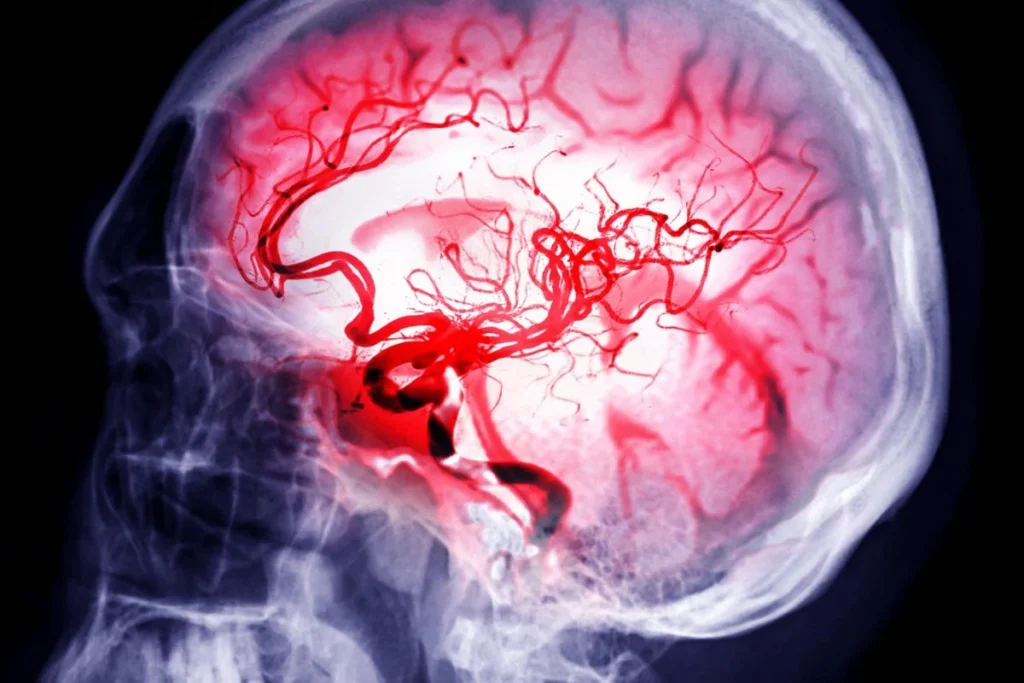
A groundbreaking study has revealed a highly promising, untapped avenue for stroke rehabilitation, suggesting that actively reinforcing the body’s natural circadian rhythms (the internal 24-hour biological clock) can significantly boost brain healing—even when treatment is delayed for days after the initial injury.
Every year, millions of people survive strokes, but many are left with long-term cognitive or physical impairments. For decades, emergency stroke medicine has focused almost exclusively on the hyper-critical “golden hour” immediately following an attack. This new research shifts the spotlight toward the days and weeks after an emergency, proving that the brain’s internal clock acts as a master key for long-term neural repair.
The Brain’s Nighttime Janitor: The Glymphatic System
To understand why the circadian clock matters so much to a healing brain, scientists looked closely at the glymphatic system—the brain’s specialized waste-clearance network.
During the day, brain cells are highly active, generating metabolic waste. At night, the glymphatic system opens up, pumping cerebrospinal fluid ($CSF$) through the brain tissue to flush away toxic cellular debris.
Key Discovery: The Extended Treatment Window
The most exciting aspect of the study is the timeline. Traditional stroke treatments like clot-busting drugs must be administered within hours to be effective. However, this study demonstrated that targeting the circadian system yields major benefits even when started well into the recovery phase.
| Recovery Factor | Impact of Disrupted Rhythms | Impact of Circadian Therapy |
| Neuroinflammation | Erratic biological clocks cause immune cells to continuously attack healthy brain tissue. | Calms the immune response, creating a stable, low-stress environment for neural healing. |
| Glymphatic Clearance | Metabolic waste builds up around the stroke lesion, choking surviving cells. | Restores the nighttime fluid flush, effectively clearing out toxic blockages. |
| Neuroplasticity | The brain struggles to rewire or adapt, leading to stagnant physical therapy results. | Promotes the release of healing growth factors, making physical rehabilitation more effective. |