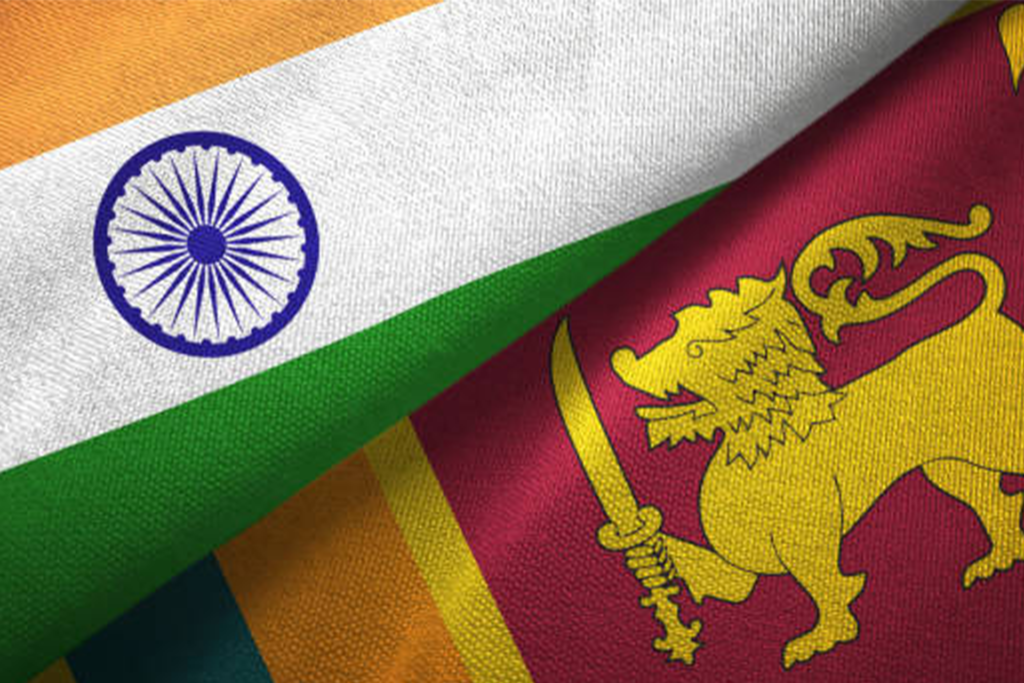
NEW DELHI / COLOMBO — In a development that has sent shockwaves through South Asian geopolitical circles, the World Bank’s newly released 2026–2027 global income classifications have triggered an intense psychological war between neighbors.
Just three years after a catastrophic sovereign debt default that brought the island to its knees, Sri Lanka has officially been promoted to Upper-Middle-Income status. Meanwhile, India, despite its roaring stock markets, booming tech sectors, and multi-trillion-dollar global posturing, remains firmly stuck exactly where it has been since 2009: Lower-Middle-Income status.
The contrasting trajectories have ignited a fierce debate over who is actually winning the race for prosperity in South Asia.
The Denominator Trap: A Bitter Pill for New Delhi
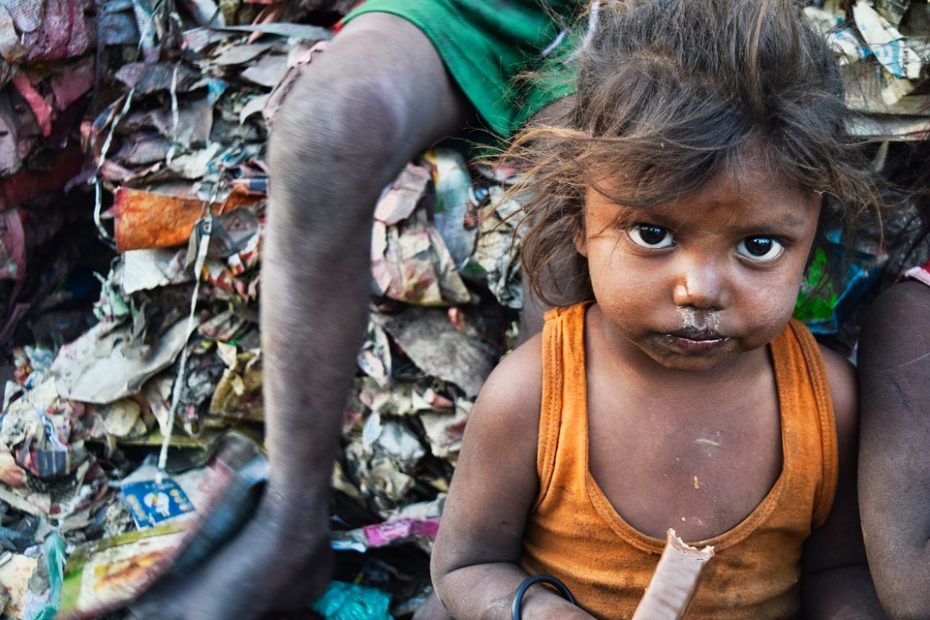
For years, the narrative from New Delhi has been one of undisputed economic dominance, with India boasting some of the fastest GDP growth rates among major global economies. Yet, the World Bank’s data exposes a harsh structural reality that aggregate GDP numbers frequently mask: the “Denominator Challenge.”
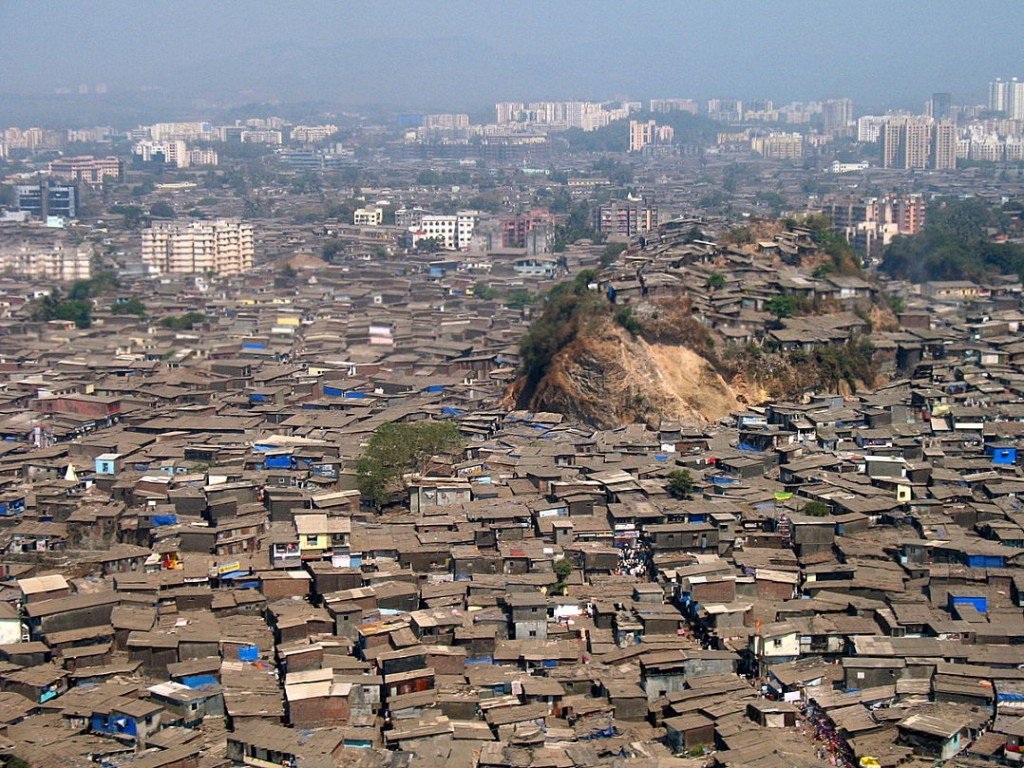
While India’s factories and digital networks churn out trillions in wealth, that wealth is divided among 1.4 billion people. Compounding the issue is severe regional inequality. Highly industrialized Indian states like Tamil Nadu and Gujarat boast per-capita incomes that rival upper-middle nations, but they are statistically dragged down by massive, low-productivity rural populations in states like Bihar and Uttar Pradesh, where up to 85% of the workforce remains in the informal sector.
From Bankruptcy to Bragging Rights
Sri Lanka’s return to the upper-middle tier (a status it briefly held in 2019 before crashing down) is being hailed as a miraculous post-crisis turnaround. Driven by a 5% GDP rebound in 2025, surging tourism, and heavy structural reforms backed by the IMF, the island nation’s GNI per capita hit $4,670, leaving India’s $2,760 deep in its rear-view mirror.
The contrast highlights an uncomfortable truth for economic commentators: on an individual level, the average Sri Lankan citizen enjoys a higher statistical standard of income than their neighbor across the Palk Strait.
A Fragile Crown
However, economists warn that Colombo shouldn’t celebrate too prematurely. Reaching the upper-middle-income bracket is a symbolic victory, but it comes with a major catch.
As an upper-middle-income nation, Sri Lanka will now face stricter limitations on accessing highly concessional international development loans. Global partners will expect the island to rely more on commercial financing and domestic taxation the exact dependencies that triggered its 2022 financial collapse in the first place. Furthermore, local poverty rates and cost-of-living pressures in Sri Lanka remain punishingly high despite the statistical upgrade.
For now, though, the data provides Sri Lanka with an undeniable geopolitical talking point, proving that when it comes to individual earning power, bigger does not always mean richer.